
Request
Request Appointment
Like Us
Like us on Facebook
Reviews
Read Our Reviews
Call
Give us a Call
Map
View our Map
Pay
Pay
Scaling and Root Planing – Lincoln, NE
Stopping Gum Disease from Growing Worse
Sometimes gum disease can be treated with a regular dental cleaning and improved oral hygiene. But what if you’re at the point where that’s not enough? Untreated gum disease only grows more severe, so in order to fight the infection after it reaches a certain point, scaling and root planing are often required as deep cleaning procedures. Our team at Pioneer Periodontics & Implant Dentistry will help make sure you remain completely comfortable while the plaque and tartar attacking your gums is being removed. Call us today to learn more about your options for advanced periodontal therapy.
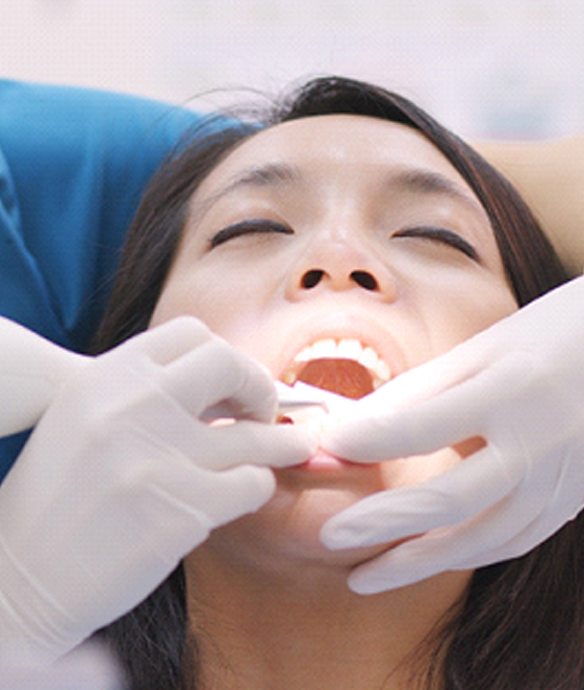
Why Choose Pioneer Periodontics & Implant Dentistry for Scaling & Root Planing?
- Focus on Conservative Treatments
- Ethical and Personable Periodontal Experts
- The Latest in Dental Technology
How Do I Know if I Need Scaling and Root Planing?
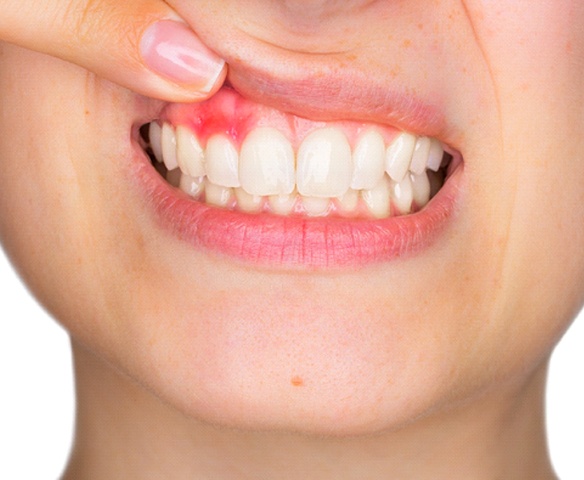
It’s easier to treat gum disease if it’s caught early, so keep an eye out for possible warning signs. The condition often develops silently during the gingivitis stage, so you may have trouble identifying it without regular dental appointments. However, sometimes noticeable symptoms do appear, such as red or swollen gum tissue, frequent oral bleeding, and tooth sensitivity. And at the more advanced stages, the gums will start to pull away from the teeth, exposing the roots. In a worst-case scenario, the teeth may even start to come loose. Make an appointment with us immediately if you notice any of these issues.
How Do Scaling and Root Planing Work?
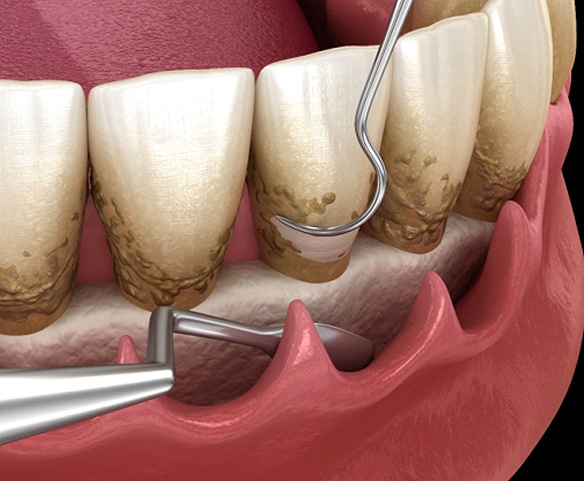
During a regular dental appointment, the plaque and tartar containing the harmful bacteria responsible for gum disease is removed. During the scaling process, our focus will be cleaning the areas beneath the gumline that we wouldn’t be able to reach with conventional methods. Special instruments are used to get rid of the bacteria that have built up in your periodontal pockets. After that, it’s time to move on to root planing. This is the process of smoothing out the roots of the teeth. Doing so essentially makes it harder for plaque to reattach itself to the surface, thus lowering the risk of gum disease occurring in the future. Root planing is also an important step for making sure that your mouth heals after periodontal therapy.
Benefits of Scaling and Root Planing

Gum disease cannot be fully “cured”, but by physically removing bacteria, plaque, and tartar from your mouth, we can protect you from the long-term effects of the condition. It gives your gums a chance to reattach to the tooth roots, thus lowering your risk of tooth loss. You’ll also be less likely to suffer from infections down the road.
Treating your gum disease can also have benefits for your overall health. Studies have shown that there’s a possible link between gum disease and inflammation all throughout the body; said inflammation can contribute to heart disease and other health issues. Keeping gum disease under control could potentially help protect you from such complications.
Scaling & Root Planing FAQs
Does Scaling & Root Planing Hurt?
Rest assured, our team has a gentle touch, and we’ll be sure to numb your mouth with a local anesthetic before starting your scaling and root planing treatment.
If you’re anxious, find it difficult to sit still for prolonged periods of time, or have overly sensitive teeth, we can also provide dental sedation to help ensure your comfort. Just be sure to give us a call beforehand so we can help you determine which sedation option would be best for you.
What Should I Do to Prepare for My Scaling & Root Planing?
There’s not much you have to do to prepare for scaling and root planing. Continue to gently brush your teeth twice daily, floss once per day, and rinse your mouth with an antibacterial mouthwash. If you take any medications, consider writing them down so you don’t forget to mention them during your consultation. Keeping notes of any past or current medical conditions is a good idea too.
If you’ll be receiving dental sedation, we may ask you to avoid eating in the hours leading up to your appointment. Please be sure to follow all instructions we provide you – they’re given with your safety in mind!
What Should I Expect After Scaling & Root Planing?
Your gums will likely be a little sore and more sensitive than usual. Here’s what we recommend:
- Stick to a soft food diet until sensitivity fades
- Rinse your mouth with a salt-water mixture on a daily basis
- Take over-the-counter pain relievers as necessary
- Apply a cold compress to the outside of your mouth to help reduce any swelling
- Continue to brush and floss your teeth, taking great care near your treatment area
Additionally, if you received oral conscious or IV sedation, avoid strenuous activities and don’t operate vehicles or heavy machinery until after the effects have fully worn off.
Will I Need Scaling & Root Planing More Than Once?
It depends on the severity of your condition. Some patients only need one scaling and root planing session, but others require multiple for each quarter of their mouth.
Rest assured, if you do need more than one scaling and root planing session, we’ll work with you closely to schedule your treatments. It’s important to eliminate gum disease quickly, but we also want to give your gums time to heal between sessions.
Does Dental Insurance Cover Scaling & Root Planing?
Most dental insurance plans do cover at least part of the costs associated with scaling and root planing. The exact amount of coverage will depend on the specific terms of your plan.
Don’t worry, though – our team is experienced with navigating dental insurance benefits and can help make sure you save as much money as possible. If you contact us ahead of your appointment and provide your plan information, we can tell you how much coverage to expect.