
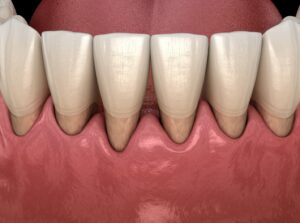
Have you noticed that your teeth look longer than they used to, or that your gums seem to be pulling away from your teeth? It could be gum recession. This common dental problem occurs when gum tissue gradually wears away or pulls back, exposing more of the tooth’s surface and sometimes its root. Besides affecting the appearance of your smile, receding gums can increase tooth sensitivity and make your teeth more vulnerable to decay and damage. But what causes gum recession, and what can you do about it?
Common Reasons for Gum Recession
Several factors can contribute to gum recession. Identifying the underlying cause is important for protecting your teeth and preventing additional damage.
Gum Disease
One of the most common causes of gum recession is periodontal disease. When plaque and bacteria accumulate along the gumline, they can cause inflammation and infection. As gum disease progresses, it damages the tissues and bone supporting your teeth, causing your gums to pull away.
Brushing Too Aggressively
Brushing your teeth is essential for good oral health, but using excessive pressure or a hard-bristled toothbrush can gradually wear down gum tissue. Consider switching to a soft-bristled toothbrush and using gentle, circular motions when cleaning your teeth.
Genetics
Unfortunately, some people are naturally more susceptible to gum recession because of their genetics. You may have naturally thin gum tissue or other inherited characteristics that make recession more likely, even if you maintain good oral hygiene.
Teeth Grinding & Clenching
Repeatedly grinding or clenching your teeth can place excessive pressure on your teeth and supporting structures. Over time, these forces may contribute to gum and periodontal tissue problems, particularly when combined with other risk factors.
Tobacco Use
Smoking and other tobacco products can negatively affect gum health by restricting blood flow and interfering with the body’s ability to fight infection and heal. Tobacco users also have an increased risk of developing periodontal disease, which can lead to gum recession.
Can Receding Gums Grow Back?
Unfortunately, gum tissue doesn’t naturally regenerate once it has receded. However, that doesn’t mean you have to accept ongoing damage. Your dentist can recommend treatments based on the severity and underlying cause of your recession.
For mild cases, improving oral hygiene habits and treating gum inflammation may help prevent further recession. More advanced cases may require procedures such as scaling and root planing or gum grafting to restore coverage over exposed tooth roots.
Protect Your Gums with Preventive Dental Care
If you’ve noticed changes in your gumline, don’t ignore them. Gum recession can progress without causing significant discomfort initially. Regular dental examinations allow your dentist to identify early warning signs, address contributing factors, and recommend appropriate treatment.
If you’ve noticed swollen or bleeding gums in addition to recession, schedule a dentist appointment sooner rather than later. Take care of your smile’s foundation!
About the Practice
The gums are an underrated part of oral health. If you’ve noticed changes in yours lately like recession, bleeding, or swelling, we can perform a proper diagnosis to determine if you’re suffering from gum disease, and if necessary, treat it with conservative, minimally invasive means. Schedule an appointment online or call our Lincoln office at (402) 483-7631 for assistance.